How Ancestral Connection Transforms Grief: Messages From Beyond
From heartbreak to a doorway
Grief opened a door for me. What began as the unbearable pain of watching my husband descend into alcoholism and then pass away became the unexpected catalyst for a spiritual awakening. During those chaotic, desperate nights I turned to a rosary more for comfort than ceremony. I would hold it, whispering like someone begging to be heard. Instead of silence, I started to notice presence.
The first clear sign came as a visitation dream. My great aunt, Sister Lou, appeared in a golden-toned room, in her habit. She took my hands and looked me in the eye. Then she said something that stopped me in my tracks:
"We hear your prayers."
Waking from that, I knew I was not alone. That knowing—simple and fierce—became the foundation of my work. Over time my ancestors showed up more intentionally. Sometimes they spoke through me when I said the rosary, even giving voice to an Irish brogue I had never used. Those moments taught me that grief can be a doorway, not a dead end.

What is intuitive ancestral healing?
Intuitive ancestral healing mixes three things I hold close: ancestry research, trauma awareness, and spiritual listening. On one side there is genealogy: tracing stories, migrations, hardships and resilience. On the other side there is spirit: the energetic relatives who continue to accompany us.
I call myself a trauma-informed genealogologist. That means when I research family lines I look beyond names and dates to the lived experiences that shaped bodies and behaviors. I am asking: what might have been passed down—not just culturally but biologically and energetically?
Intuitive ancestral healing invites ancestors into that story. They often arrive with one clear message: we see you, we hear you, and we are here to support you. Sometimes they bring evidence—a smell, a song, a penny on the floor—to make their presence unmistakable.
How ancestral connection differs from therapy or genealogy
Therapy and grief support provide essential tools for processing loss. Genealogy gives context and roots. Intuitive ancestral healing sits between and beyond both. It uses research to inform the story and spiritual practice to access the living energy of ancestors. The aim is not to replace therapy but to complement it: to transform raw sorrow into a felt sense of connection and inherited resilience.
How ancestral patterns show up in your life
Ancestral influence can be subtle or obvious. It appears as recurring behaviors, physical reactions, or family stories repeated across generations. Science increasingly recognizes that trauma affects gene expression—so anxiety, hypervigilance, or an exaggerated threat response can be inherited on a cellular level. Socially and emotionally, behaviors get copied: a parent who nearly got hit by a car will overprotect their children, passing on caution and fear as a survival tool.
Examples of ancestral patterns include:
Inherited hypervigilance or anxiety linked to famine, war, or persecution.
Repeated relationship dynamics or addictive behaviors across generations.
Family narratives that emphasize scarcity or survival rather than abundance.
Signs that your loved ones or ancestors are communicating
Spirit communicates in many languages. It is not always dramatic. Most of the time it is tender and subtle—a divine whisper rather than a shout. Common signs include:
Repeated songs or music that spontaneously plays and carries meaning.
Finding pennies, feathers, or other meaningful objects in unexpected places.
Dream visitations that feel more like conversations than nightmares.
Sudden sensory impressions: a perfume, a taste, a chill, or a familiar scent.
Unusual coincidences like seeing a significant number (for me it was the license plate 1117) at a poignant moment.
If signs feel faint, you can ask for them to be clearer. Start by requesting one simple, recognizable form of evidence and then watch for it. The language of spirit will often expand as trust grows.
How I guide people through ancestral healing
When someone comes to me weighed down by grief, we begin by holding the pain. Grief is physical: it can feel heavy, clouding energy and movement. I work with people where they are—acknowledging the physical, emotional, and spiritual layers.
My process usually combines three threads:
Listening to the story you carry now: the triggers, the repeat patterns, the weight in your body.
Researching family history with sensitivity to trauma and resilience.
Inviting ancestors into a relational space through ritual, meditation, and signwork.
Sometimes ancestors arrive immediately. Other times it takes repeated sessions for a client to notice their presence. A woman I worked with finally accepted her husband’s presence the night she sat on her porch and watched battery candles flicker to life in macrame holders that had been extinguished for months. That small, quiet miracle helped her move from anger into a place where she could receive comfort.
The role of end-of-life care in spiritual work
Training as an end-of-life doula deepened my ability to be present with dying and those left behind. It taught me that the transition is holy and natural. One of the clearest lessons: when you are willing to speak honestly about death, fear softens. I remember holding the hand of an older woman who was not yet conscious. I called her husband’s name and each time I did she squeezed my hand. That small response was a bridge—proof that love translates across the threshold.
Simple practices to begin connecting today
You do not need special training to start opening a line with your ancestors. Here are practical steps you can take right now:
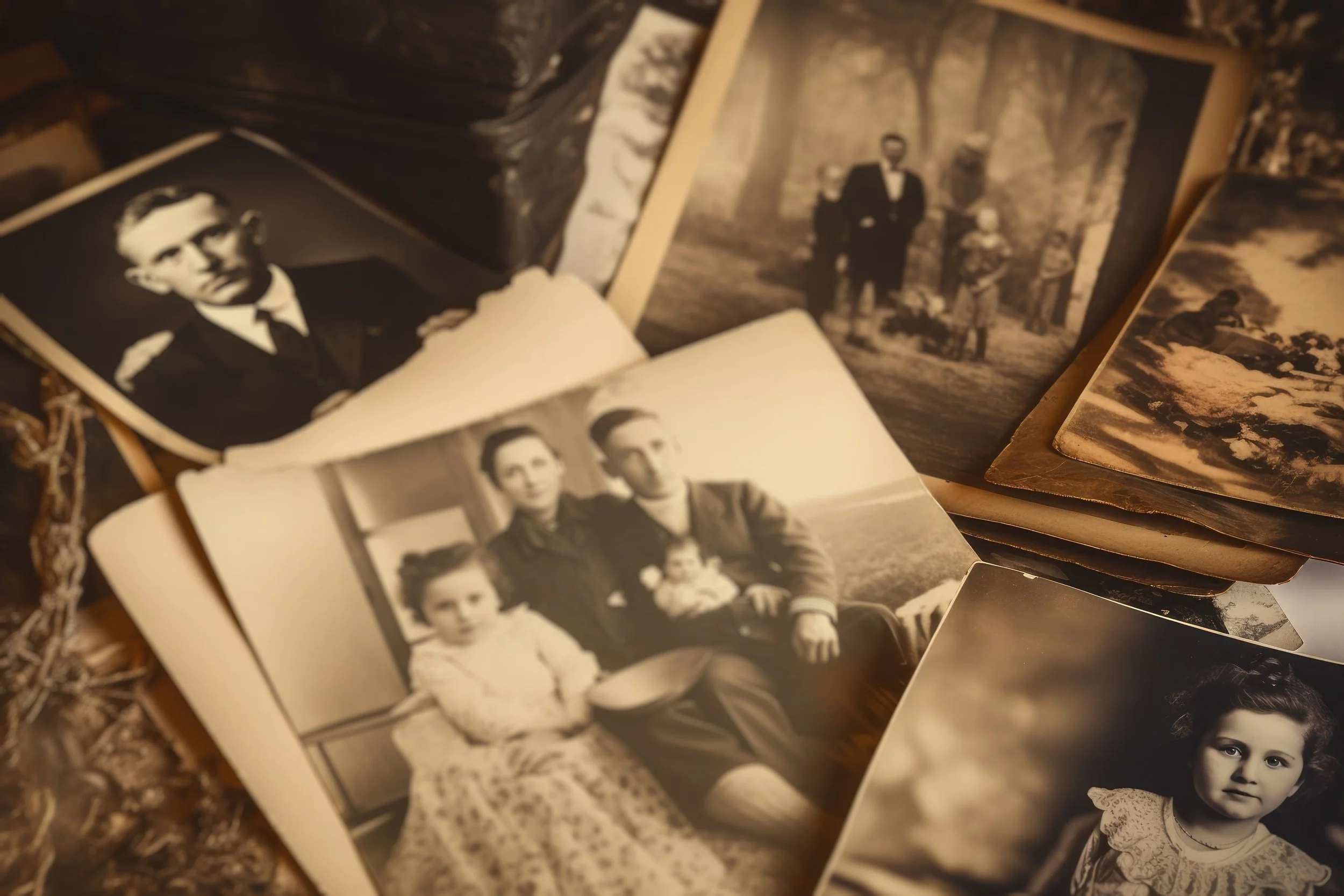
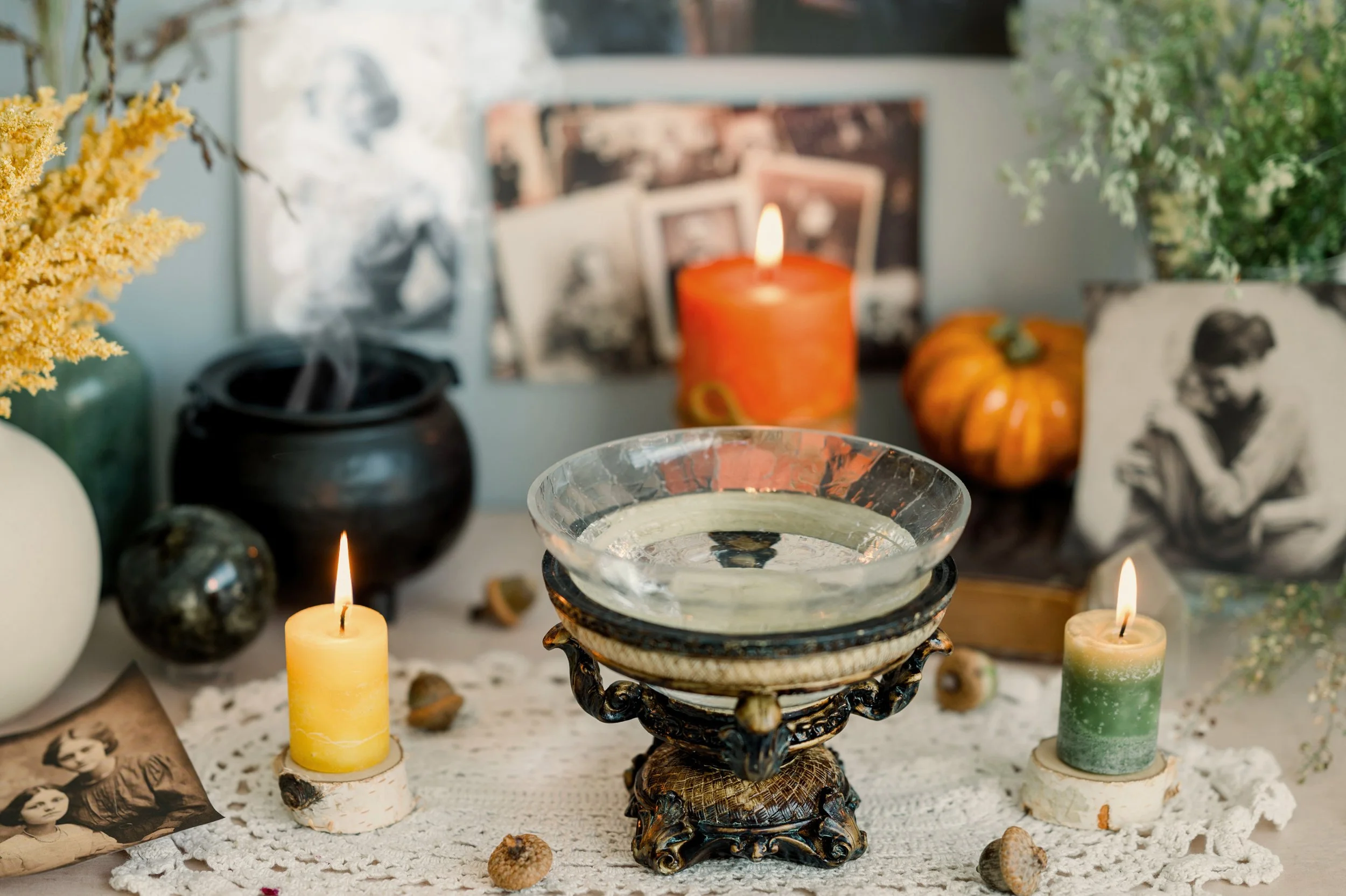
Create a small altar or corner with photos, objects, or scents that remind you of loved ones.
Make a sign request: ask for one clear sign—like a specific song, a penny, or a feather—and be attentive for it.
Keep a listening journal: write down dreams, sensations, and small coincidences. Patterns will emerge.
Explore photos and family stories: focus on the stories of resilience as much as the traumas.
Practice simple ritual: a short prayer, lighting a candle, or saying the rosary with intention to invite ancestors in.
What to expect as you open this window
Opening to ancestral connection rarely abolishes grief. Instead it reshapes its texture. Grief does not vanish; it becomes layered by presence. You may feel waves of heaviness followed by moments of warmth, flashes of memory, or a new ability to carry the story with less isolation.
Trust your pace. Some people receive an immediate sense of company. Others need multiple encounters before they notice the signs. Ask for clarity. Ask for patience. Ask your ancestors to show you one unmistakable proof and then watch for it.
Final invitation
If you are grieving, know that your ancestors are not distant relics but living energy that can accompany you. We inherit both trauma and resilience. Learning the story behind the patterns can help you transform sorrow into strength and meaning.
If you want to explore this work further, resources and sessions are available at tellmeourstory.com. Begin simply: honor a memory, ask for one sign, and notice what arrives. The veil is thinner than you think. Love persists.
