Your Guides Are Waiting: Channeling, Intuition & a TEDx Surprise
I'm Rachel Garrett, RN, and in this conversation I sat down with Stephanie Banks—an intuitive channel, mentor, and guide whose journey into channeling began in the most intimate and challenging of circumstances: caring for her mother through frontotemporal dementia. Stephanie’s story is a bridge between clinical knowledge and soul-level communication, and it offers practical tools for anyone who wants to deepen their relationship with intuition, loved ones, and the natural world.
Why this conversation matters
We often think of intuition and channeling as mystical, reserved for a few gifted people. Stephanie flips that assumption on its head: intuition is the birthright of everyone, and with practice we can all learn to tune into our soul guidance. If you care for someone with dementia, are curious about channeling, or simply want practical, proven ways to access calm and clarity (including a fast heart-brain coherence technique), this piece will guide you through the core insights Stephanie shared.
How channeling began: a daughter, a clinician, and a heartbreak
Stephanie came to channeling from a very grounded, clinical background. She spent decades as a speech-language pathologist working with feeding, swallowing, and communication challenges. When her mother developed frontotemporal dementia in her 50s—a form of dementia that often affects younger people—Stephanie thought her clinical skills would prepare her.
What she discovered instead was that while clinical knowledge helped anticipate symptoms, it didn’t prepare her emotionally or teach her how to keep their connection intact as language and comprehension deteriorated. The relationship between them was fracturing. That’s when a friend—a gifted channel who could tune into souls who were still embodied—channeled Stephanie’s mother.
“My mom's soul was able to communicate through my friend… it changed everything.”
The messages weren’t about correcting or fixing symptoms; they were about understanding what the journey meant for her mother at a soul level. That shift allowed Stephanie to make conscious choices about how she wanted the remainder of their time together to feel. From that experience came the question: if this could transform one relationship, what would happen if she learned to channel for herself?
From speech pathology to lactation to channeling: the through-line
Stephanie’s career may look eclectic—speech-language pathology, lactation consulting, birth doula work, and finally intuitive channeling—but there’s an elegant through-line: language, connection, and empowerment. She began in feeding and swallowing because she loved language and intimate human connection. Lactation and birth work grew naturally from that foundation, especially her passion for helping women trust their bodies and reclaim their birthing experiences.
At its core, Stephanie’s work centers on empowering people—especially women—to trust their bodies, their intuition, and their capacity to nourish life. Channeling became an extension of that mission: a way to communicate with the essential, loving intelligence that underlies visible behavior and neurological decline.
The TEDx moment: why spirit sometimes gives you a heads-up to trip
One of the most memorable and human moments Stephanie shared was about her TEDx talk. In a classic spirit-ofirony move, her guides told her she would make the one mistake she feared most: she would forget a line on stage. Stephanie, who had rehearsed obsessively, tried to resist the prediction. And sure enough—while making eye contact with the dear friend who had taught her to channel (and who was in the audience after a glioblastoma diagnosis)—she blanked.
It felt devastating in the moment, but the aftermath was humbling and instructive: the slip made her talk more vulnerable and relatable. It reinforced that spirit’s “warnings” aren’t punishments; they create opportunities for growth, humility, and deeper connection.
Joining Joni: a book born of channeling and caregiving
Stephanie wrote a book called Joining Joni about walking with a loved one through dementia. The process of writing felt like channeling—a flow of insight rather than a clinical manual. The book is practical, grounded, and importantly compassionate. It offers simple, actionable guidance to preserve relationship and dignity while caregiving.
One central idea is deceptively simple but transformative: don’t correct someone out of their reality when it’s not harmful to do so. If a loved one says the wrong day of the week, argues about a detail, or requests something that doesn’t make sense to you—ask whether correction is necessary for safety. More often than not, the best move is to join them.
“If you want to walk with someone in their journey… you want to join them.”
Practical example: Stephanie’s mother would insist on wearing a sweater on a hot Florida day. Instead of arguing, Stephanie went inside and brought the sweater. It preserved connection, reduced distress, and avoided a communication breakdown that would require repair. These small choices add up, and they’re the core of the book’s practical advice.
What channeling actually feels like: love as the language
When people ask, “What does channeling feel like?” Stephanie’s answer is simple: it feels like love. That’s key. Channeling isn’t just receiving data; it’s tuning into a field of nourishing, guiding energy. And it’s not limited to ancestors or departed souls—animals, trees, and the Earth (Gaia) are equally communicative when we slow down and listen.
Stephanie encourages hugging a tree, listening to birds, or spending time in nature as ways to re-sensitize yourself. These natural beings communicate through presence, rhythm, and feeling more than through words. The channeling she teaches emphasizes heart-based reception, imagination, and practice.

Heart-brain coherence: a simple practice you can use today
One of the most practical tools Stephanie shares comes from the HeartMath Institute: heart-brain coherence. This isn’t woo—it’s research-backed and immediately useful. Here’s the quick coherence technique she uses before channeling or entering difficult situations:
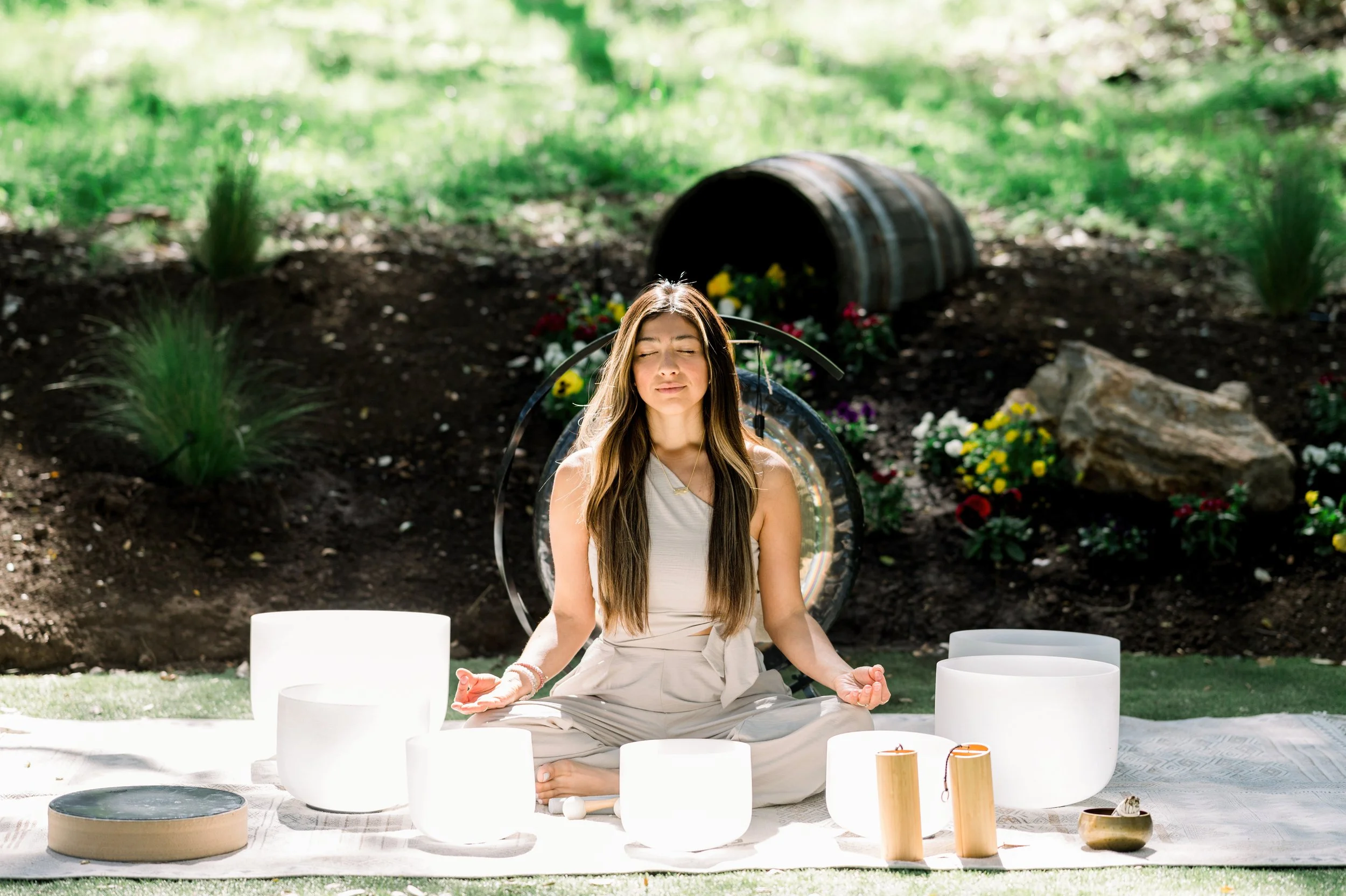
Close your eyes and connect to your breath.
Imagine breathing in through the front of your heart and exhaling out through the back of your heart.
Optionally place your hands over your heart to anchor the sensation.
Bring to mind someone, something, or some place you adore (a person, a pet, a riverbank, an ancestor).
Center on that love and send it to them—feel it come back to you. Breathe slowly for a few cycles while bathing in gratitude, peace, and appreciation.
Open your eyes when you feel steady and centered.
Do this for two minutes and you’ll find your nervous system calmed, your intuition clearer, and your reactivity reduced. Practice it daily and you’ll strengthen the heart-brain connection that makes intuition accessible.
Demystifying channeling: it’s not reserved for a few
One of the biggest misconceptions Stephanie confronts is the idea that only certain people are “born” to channel. She’s blunt: everyone has intuition and imagination, and imagination is the very engine of human creativity.
“If you say, ‘What if I’m making this up?’ say, ‘I am making this up—and here we go.’”
Stephanie reframes “making it up” as the creative act that births new realities. From podcasts to gardens to careers, all visible things were first imagined. Channeling is an extension of that creative capacity, and the difference between a fuzzy intuitive nudge and reliable channeling is practice, spiritual hygiene, and clearing what blocks reception.
Daily spiritual hygiene: what keeps a clear channel clear
Being a clear, loving channel requires maintenance. Stephanie’s own practice includes:
Regular time in nature (she tends a backyard food forest with her son).
A meditation practice—even imperfect or short sessions matter.
Crystals and grounding tools that help drain dense energy.
A high-vibration diet (Stephanie favors plant-based food).
A sense of humor—laughing at ourselves lightens heavy energy and reconnects us to spirit.
These practices aren’t ritualistic. They’re practical ways to keep sensitivity functional, boundaries intact, and energetic clarity available for service.

Teaching others: the next book and the invitation
Stephanie is writing a second book—this one to teach people how to channel for themselves. Her mission is to normalize inner guidance and make the skill accessible: if more people trusted their intuition, the world would shift toward reciprocity, care, and cooperative creativity.
Her motto in teaching is simple: imagination, heart, and practice. She observes that many people channel well through writing (automatic writing or journaling prompts), and she runs groups and courses to build those muscles in others.
One practical step you can take today
If you want to begin, start with heart coherence. Two minutes, twice a day makes a noticeable difference. Close your eyes, breathe into and out of your heart, imagine someone or something you love, and breathe in that gratitude and connection. Repeat regularly. From there, add a short journaling session where you invite guidance and write what comes without editing.
Conclusion: you don’t need permission to listen
Stephanie’s story—born from the pain and tenderness of caring for a mother with dementia—reminds us that channeling and intuition are tools for connection, not escapes from the human condition. The work is about preserving relationships, honoring presence, and learning to be steady in the face of loss and confusion.
If you want to explore Stephanie’s work, her website is soulinsight.com, where you can find courses, groups, and one-on-one sessions. Above all, remember that your inner guidance is not optional; it’s a skill you can cultivate with kindness, curiosity, and daily practice.
Take two minutes right now and do the coherence exercise. Then come back and notice how different you feel. Your guides are waiting—are you ready to answer?
